






Buying Guide

You open the invite, and there it is: a dress code you've heard of but couldn't confidently explain. Black tie, white tie, cocktail, business formal — they sound close enough to confuse, and figuring out whether the moment calls for a suit or a tuxedo is exactly where most people get stuck. Get it wrong and you're either underdressed next to tuxedos or overdressed in a room full of suits. Here's what each one actually requires.
White tie is the most formal: a tailcoat, white waistcoat, and white bow tie. Black tie means a tuxedo with a black bow tie. Cocktail attire is a dark suit, dress shirt, and optional tie — no tuxedo needed. Business formal is a matching suit, tie, and dress shoes, built for the office rather than an evening event. Formality runs highest to lowest: white tie, black tie, cocktail, business formal.
White tie shows up on invites for state dinners, opera galas, and the most formal weddings — occasions where "black tie" would actually read as underdressed. The uniform is specific: a black tailcoat, matching trousers with a satin stripe, a white pique waistcoat, a white wing-collar shirt, and a white bow tie. Patent leather shoes finish it off.
There's very little room to improvise here. If a full tailcoat isn't realistic on short notice, the next most formal option is a proper tuxedo — still not a true match for white tie, but far closer than a regular suit.

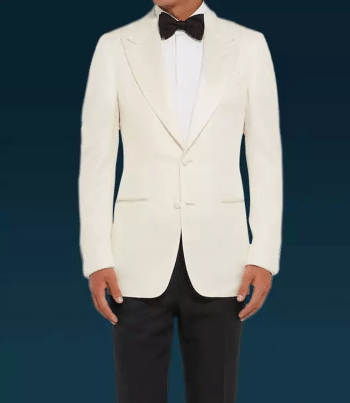
Black tie is what most people picture when they hear "formal event" — weddings after 6pm, award dinners, New Year's Eve galas. The core piece is a tuxedo: a black (or midnight navy) jacket with satin or grosgrain lapels, matching trousers with a satin side stripe, a white dress shirt, and a black bow tie. A cummerbund or waistcoat covers the waist, and the shoes should be black and polished, ideally patent leather or a plain cap-toe oxford.
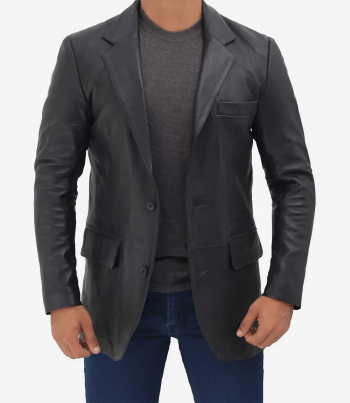
Browse FJackets' black tie formal collection if you want a jacket that's already built to this spec, with the satin lapel and side-stripe trousers matched correctly.

Cocktail attire is where people get tripped up the most, mostly because it's intentionally flexible. Skip the tuxedo — a well-fitted dark suit in charcoal, navy, or black is the standard. A dress shirt is expected; a tie is optional and depends on the room. This is also where you can bring in some personality: a patterned shirt, a pocket square, or a jacket in a slightly less conservative cut than you'd wear to the office.
Think of cocktail as the midpoint: dressier than a workday, but without the strict rules of black tie. If you're still working out exactly where a suit ends and a tuxedo begins, the suit vs. tuxedo guide breaks it down further — but for most cocktail invites, a suit with no tie reads correctly.

Business formal is the daytime, professional version of dressing well — client meetings, formal interviews, corporate events. The standard is a matching suit in a neutral color like navy, charcoal, or gray, paired with a dress shirt, a conservative tie, and leather dress shoes. The fit matters more here than the flash: a business formal look is judged on how clean and put-together it is, not how much personality it shows.
Unlike cocktail attire, business formal isn't meant to stand out. If you're unsure how a jacket should sit through the shoulders and sleeves, FJackets' suiting guide covers fit and fabric before you buy.
| Dress Code | Core Outfit | Typical Occasion |
|---|---|---|
| White Tie | Tailcoat, white waistcoat, white bow tie | State dinners, opera galas |
| Black Tie | Tuxedo, black bow tie | Evening weddings, formal galas |
| Cocktail | Dark suit, optional tie | Cocktail parties, semi-formal weddings |
| Business Formal | Matching suit, tie, dress shoes | Office events, interviews, meetings |
A few common slip-ups show up across all four dress codes:
Match your outfit to the invite, not the other way around. If the dress code still isn't clear, it's fine to ask the host directly — it's a far better move than guessing and showing up wrong.
The fastest way to read any dress code is to ask what it's protecting against: white tie protects the most formal rooms in the world, black tie protects the evening formality of a wedding or gala, cocktail protects a party from feeling too stiff, and business formal protects the professionalism of a workday. Once you know what a dress code is guarding against, picking the right outfit gets a lot easier.
Black tie means a tuxedo with a black bow tie. White tie is more formal and requires a tailcoat, white waistcoat, and white bow tie. If you're unsure which one your event calls for, white tie invites almost always say so explicitly — if it just says "formal" or "black tie," a tuxedo is the safe choice.
Not ideally. A black tie event calls for a tuxedo specifically — satin lapels, a bow tie, and formal shoes. A plain black suit, even a sharp one, will read as underdressed next to actual tuxedos in the room.
They're close enough to overlap in most cases. Both call for a dark suit without the strict formality of black tie. Semi-formal sometimes expects a tie where cocktail attire may not, so check the specific invite if it uses either term.
A matching suit in navy, charcoal, or gray, a dress shirt, a conservative tie, and leather dress shoes. It's the professional, daytime version of formal dressing — clean and consistent rather than fashion-forward.
No — a tuxedo is built for evening formal events like black tie, not daytime professional settings. Wearing one to a business formal event will look out of place; a matching suit and tie is the correct call.

100% real leather jackets, coats & blazers. Factory-direct craftsmanship with easy returns.


