






Buying Guide

Your wedding tuxedo is the one outfit everyone will remember and see in photos for decades. The good news: choosing it is simpler than it looks once you work through it in order. Match the tuxedo to your wedding's formality, get the fit right, and keep the details clean. Here's how to do exactly that.
Everything flows from how formal the wedding is. A black-tie evening wedding calls for a true tuxedo — satin lapels, a bow tie, black trousers with a satin stripe. A daytime or outdoor wedding gives you room for lighter colors, softer fabrics, and a more relaxed feel.
Ask two questions first: what time of day is the ceremony, and how dressy is the venue? Evening and formal venues push you toward a classic black or midnight-blue tuxedo. If you're unsure whether the day even calls for a tuxedo versus a suit, our breakdown of the differences between a suit and a tuxedo clears it up fast.

Color sets the tone. Classic tones are safest and photograph reliably; richer colors make you stand out as the groom.
| Color | Best For |
|---|---|
| Black | Formal and black-tie weddings; the most classic groom choice |
| Midnight blue | Evening weddings; reads richer than black under lights |
| Burgundy or green | Grooms who want to stand apart from groomsmen and guests |
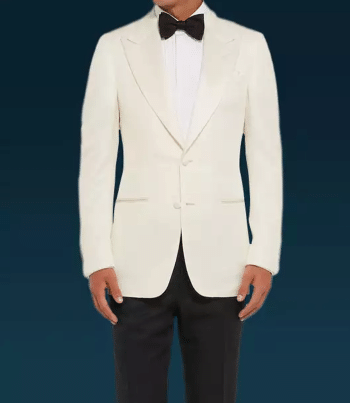
| White or ivory jacket | Warm-weather, summer, and destination weddings |
Want texture instead of a bold hue? A velvet tuxedo in a deep shade adds richness while staying formal. Browse the full range of men's tuxedos to see how each color reads before you commit.

Fit is what separates a sharp groom from an average one. No color or detail rescues a poorly fitted tuxedo, so focus here first:
Order early so you have time for alterations. A tailored fit reads intentional and keeps you comfortable through a long day of movement, sitting, and dancing.

Once color and fit are set, the details finish the look:
Coordinating groomsmen too? Our guide on choosing the perfect wedding suit helps you keep the whole party cohesive without everyone matching exactly.
Renting is cheaper up front and fine if you'll never wear a tuxedo again. But rentals rarely fit perfectly, and you're returning it days after the wedding. Buying costs more initially but gives you a tailored fit, a keepsake you'll actually own, and something you can wear to future black-tie events.
For most grooms who care about fit and photos, buying is the better call — especially when the tuxedo becomes part of your wardrobe rather than a one-day rental.
Ready to choose? Explore the full collection of men's tuxedos and wedding suits to find the color, lapel, and fit that match your big day — then use the steps above to lock in your look.
Choosing a wedding tuxedo comes down to a simple order of decisions: match the formality, pick a color you'll love in photos, get the fit tailored, and keep the details clean. Do that, order early, and lean toward buying if fit and a lasting keepsake matter to you. Get these right and you'll look sharp, feel comfortable, and remember the day for the right reasons.
Order 8 to 12 weeks before the wedding. This gives you enough time for fittings, alterations, and a reorder if anything isn't right. Ordering early removes last-minute stress and ensures a clean, tailored fit.
Black and midnight blue are the safest, most formal choices and photograph reliably. Burgundy, deep green, or a velvet tuxedo help the groom stand out, while an ivory or white jacket suits warm-weather and destination weddings.
Yes, slightly. As the groom you should stand out — through a richer color, a different lapel style, or a distinct tie or boutonniere — while still coordinating with the wedding party so the group looks cohesive.
Buying is usually better if you care about a perfect fit and want a keepsake you can wear to future events. Renting is cheaper up front and fine for a one-time wear, but rentals rarely fit as precisely as a tailored, owned tuxedo.
A peak lapel is the most formal and flattering for most grooms. A shawl lapel is smooth and classic, especially on black or velvet tuxedos. Notch lapels are better suited to business suits and read as less formal.

100% real leather jackets, coats & blazers. Factory-direct craftsmanship with easy returns.


