






Buying Guide

The 1920s gentleman dressed with intent — sharp tailoring by day, glittering black tie by night, and never a detail out of place. Recreating the look isn't hard once you know the formula, and the pieces that make it work double as genuine wardrobe staples. Here's how to build the full Roaring Twenties look, from a daytime suit to a Great Gatsby evening.
To dress like a 1920s gentleman, start with a three-piece suit — jacket, waistcoat, and trousers — in dark grey, brown, or pinstripe for daytime, finished with a collared shirt, silk tie, and a flat cap or fedora. For a Great Gatsby evening look, switch to a black tuxedo with satin lapels, a white dress shirt, and a bow tie. Complete either look with period accessories: a pocket watch, suspenders, a pocket square, and polished leather brogues or oxfords. Get the silhouette and details right, and you'll look authentic rather than costumey.
The first thing to get straight is that a 1920s gentleman had two distinct modes, and mixing them up is the fastest way to look off.
Decide which one your occasion calls for before you build the outfit. A daytime garden party and a glittering evening soirée need different suits. If you're unsure where the line sits, our guide on the difference between a suit and a tuxedo makes the day-versus-evening call clear.
The daytime foundation is the three-piece suit — jacket, matching waistcoat, and trousers. The waistcoat is non-negotiable; it's what separates a real 1920s look from a plain modern suit.
A period-appropriate three-piece suit is the single most important purchase for this look, and it works well beyond the party for weddings and formal events.

For evening, the gentleman traded his day suit for full black tie — the polished glamour that defines the Gatsby image.
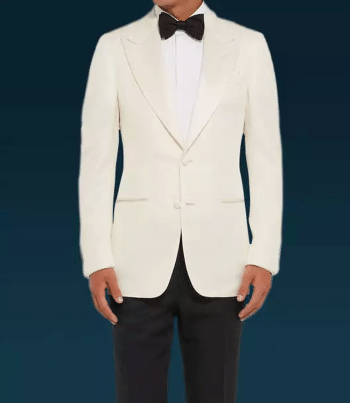
This is the look for upscale Gatsby-themed parties and formal evening events. A classic black men's tuxedo is the anchor, and for something with extra period flair, a deep midnight or richly textured dinner jacket reads beautifully under low evening light.

Getting the palette right is half the battle. The 1920s leaned refined and slightly muted, not loud.
Pinstripe in particular is closely tied to the decade — a pinstripe suit instantly signals the 1920s while still looking sharp in a modern setting.

Accessories are where a 1920s outfit goes from "nice suit" to "genuine gentleman." Layer a few of these in:
You don't need every item — two or three well-chosen accessories carry the look without tipping into costume territory.

A quick reference for building each look:
| Item | Daytime | Evening (Gatsby) |
|---|---|---|
| Main piece | Three-piece suit | Black tuxedo |
| Shirt | White or pale, classic collar | White dress shirt, wing collar |
| Neckwear | Silk tie | Black bow tie |
| Colors | Grey, brown, navy, pinstripe | Black, midnight blue |
| Headwear | Flat cap or fedora | Optional homburg; usually none |
| Shoes | Brogues, spectators | Black patent or polished oxfords |
Start with the anchor piece — a three-piece suit for day or a tuxedo for evening — then layer in the accessories that suit your occasion. If you're dressing for a specific event, our guide to what to wear to a 1920s-themed party covers the finer points for both men and women, so you arrive looking every bit the part.
Dressing like a 1920s gentleman comes down to a few clear choices: the three-piece suit by day, black tie by night, a refined palette with the odd pinstripe, and a handful of well-chosen accessories. Get the silhouette and the details right and you'll capture the era authentically — without looking like you're wearing a costume. Best of all, a good suit or tuxedo earns its place in your wardrobe long after the Gatsby party ends.
Start with a three-piece suit — jacket, waistcoat, and trousers — in dark grey, brown, or pinstripe for daytime, worn with a collared shirt, silk tie, and a flat cap or fedora. For evening, switch to a black tuxedo with a bow tie. Finish either look with period accessories like a pocket watch, suspenders, a pocket square, and polished leather shoes.
Great Gatsby style for men is the glamorous evening end of 1920s fashion: a black tuxedo with satin lapels, a crisp white dress shirt, a black bow tie, and a white pocket square, finished with polished black shoes. It's essentially classic black tie, worn sharply for upscale evening events.
For an upscale Gatsby-themed party, a black tuxedo with a bow tie is the safest and most authentic choice. For a more daytime or relaxed themed event, a three-piece pinstripe or grey suit with a waistcoat, tie, and flat cap works well. Add a pocket watch and pocket square to complete the era feel.
Daytime suits were mostly charcoal, mid-grey, brown, and tan, often in pinstripe or check, with navy also a strong choice. Evening wear was black or midnight blue. The overall palette was refined and slightly muted rather than bright or loud.
Yes. The tuxedo, or dinner jacket, was standard evening wear for a well-dressed 1920s gentleman and is the look most associated with The Great Gatsby. It featured satin lapels, a white dress shirt, and a black bow tie for formal evening occasions.
Key 1920s accessories include a flat cap or fedora, a pocket watch on a chain worn through the waistcoat, suspenders, a silk tie or evening bow tie, a pocket square, and polished leather brogues, oxfords, or two-tone spectator shoes. Choosing two or three keeps the look authentic without appearing like a costume.

100% real leather jackets, coats & blazers. Factory-direct craftsmanship with easy returns.


