
- Home
- two piece vs three piece suit
Two-Piece vs Three-Piece Suit: What's the Difference and When to Wear Each
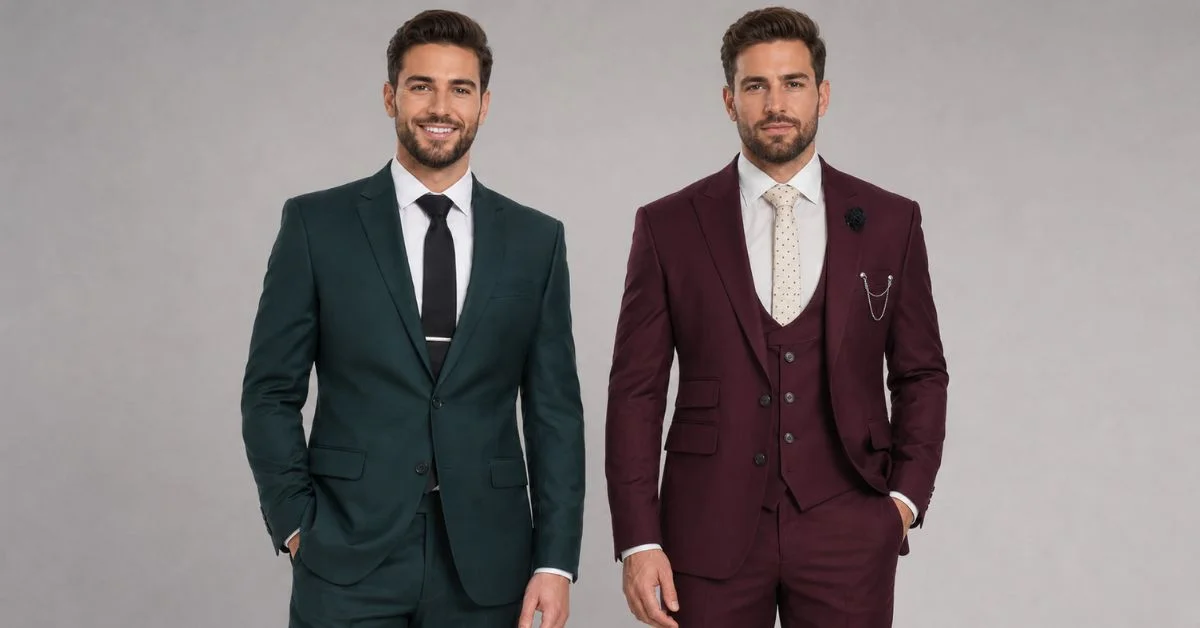
At a glance, a two-piece and a three-piece suit look almost identical — the difference is one piece: the waistcoat. That single layer changes how formal the suit feels and where it belongs. Here's the quick breakdown.
Quick Answer
A two-piece suit is a jacket and matching trousers — versatile, lighter, and the easy choice for the office, everyday wear, and warm weather. A three-piece adds a matching waistcoat, making it dressier, warmer, and more polished, which is why it shines at weddings and formal events. Want one do-everything suit? Go two-piece. Want to dress up or stand out? Go three-piece.
Table of Contents
The Difference at a Glance
A two-piece is a jacket plus matching trousers — the standard suit most people own. A three-piece is the same, with a matching waistcoat added underneath. The waistcoat does two things: it dresses the look up, and it lets you take the jacket off while still looking put-together.
| Feature | Two-Piece | Three-Piece |
|---|---|---|
| Pieces | Jacket + trousers | Jacket + trousers + waistcoat |
| Formality | Smart to formal | More formal and polished |
| Warmth | Lighter and cooler | Warmer, with an extra layer |
| Jacket off | Reads casual | Still looks sharp |
| Best for | Everyday, office, summer | Weddings, events, cooler weather |
Worth noting: this is a different question from formalwear overall — if you're also weighing black-tie, here's the difference between a suit and a tuxedo.
When to Wear a Two-Piece
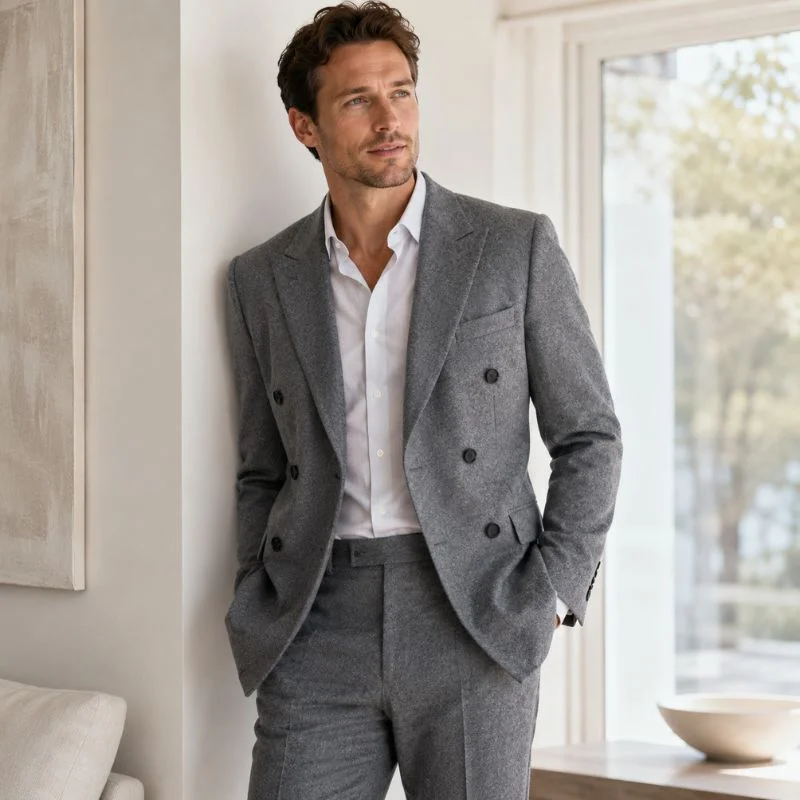
The two-piece is the workhorse. It's lighter, easier to wear, and never looks like you're trying too hard. Reach for it when:
- You're at the office or a business meeting.
- You're heading to a dinner, party, or smart-casual event.
- It's warm out, or it's a summer wedding — fewer layers, more comfort.
- You want one suit that does the most, or it's your first.
If you want a flexible everyday option, our men's suits are a solid place to start.


When to Wear a Three-Piece
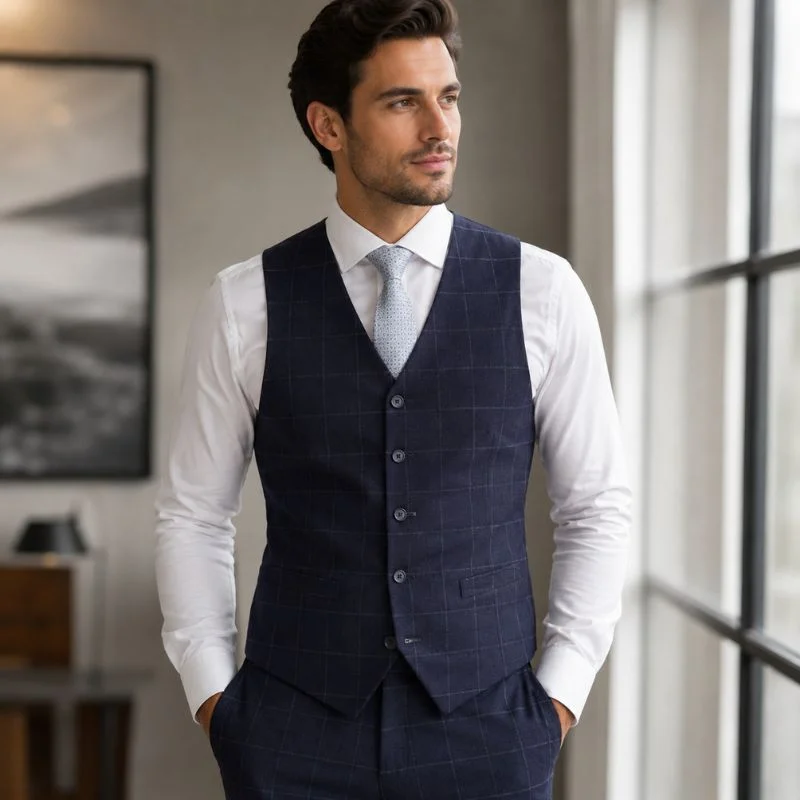
The three-piece is your dress-up move. The waistcoat adds polish and a classic, dapper edge. Choose it when:
- It's a wedding — especially if you're the groom or a groomsman.
- The event is formal or you simply want to stand out.
- It's cooler weather; the extra layer adds warmth.
- You'll be there a while and may take the jacket off — the waistcoat keeps you looking intentional.
- You love a vintage feel; the waistcoat leans toward classic vintage three-piece suits.


Which Should You Choose?
Choose a two-piece if you want one versatile suit for work, events, and warm weather — or if it's your first. Choose a three-piece if you want a dressier, standout look for weddings and formal occasions, or you love a layered, classic style.
One handy tip: a three-piece can also play the part of a two-piece — just leave the waistcoat off. So if you only buy one suit but attend formal events, a three-piece gives you more range. If you mostly need everyday and warm-weather wear, the two-piece stays lighter and simpler. Dressing for a big day either way? Our wedding suit guide walks you through it.
Shop Suits
Know which one you want? Browse the full suits and tuxedos range to find your fit, color, and style — in two-piece and three-piece options for every occasion.

Final Thoughts
It really comes down to the waistcoat. A two-piece keeps things light and versatile for everyday and warm weather, while a three-piece dials up the formality for weddings and standout moments. Pick based on the occasion — and if you want one suit to cover more ground, the three-piece (worn with or without the vest) gives you the most range.
Frequently Asked Questions
Is a three-piece suit more formal than a two-piece?
Yes. The matching waistcoat adds a layer of polish, so a three-piece reads dressier and more put-together. A two-piece is more relaxed and versatile for everyday and business wear.
Can I wear a three-piece suit to the office?
You can, though it can look quite formal for a typical workday. Many people lean two-piece during the week and save the three-piece for client meetings, events, or when they want to dress up.
Is a three-piece suit too warm for summer?
It can be, since the waistcoat is an extra layer. For warm weather or summer weddings, a two-piece is usually more comfortable — or choose a lightweight three-piece you can wear with the jacket off.
Do I have to wear the jacket with a three-piece suit?
No, and that's the advantage. With the waistcoat on, you can take the jacket off and still look sharp and intentional, which is handy at long events or receptions.
Should I buy a two-piece or three-piece first?
A two-piece. It's the most versatile and works for the widest range of occasions. Add a three-piece once you want a dressier option for weddings and formal events.
John Austin is an expert contributor with 5+ years in the leather industry, blending precise care tips with cutting-edge fashion advice.


